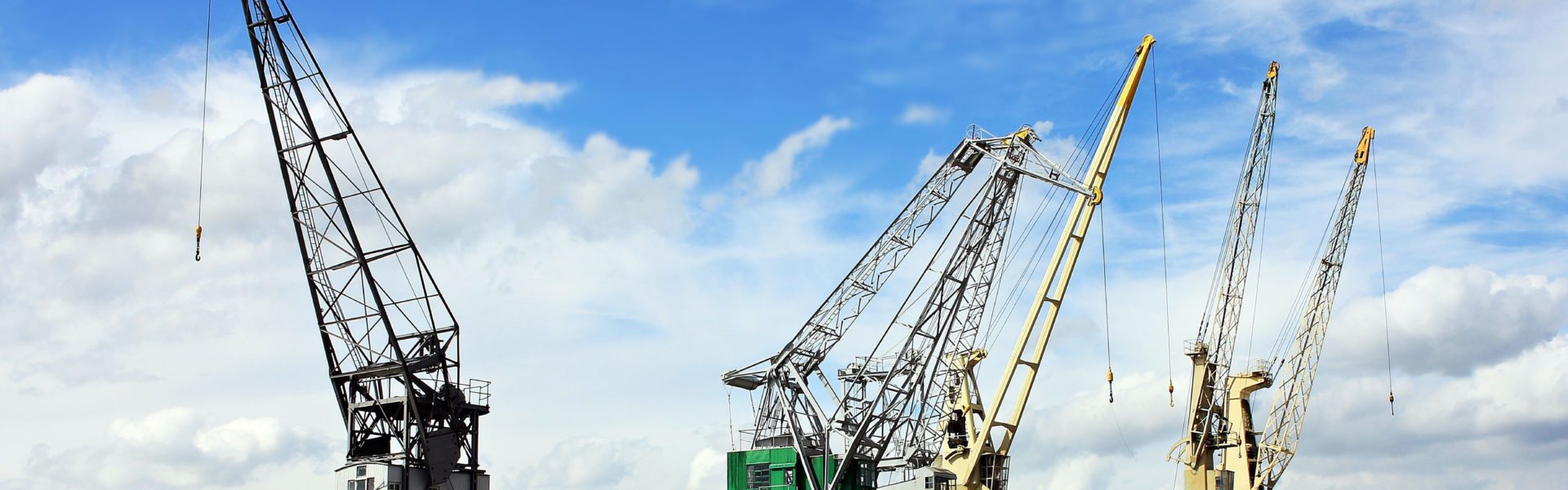

A bubble crane is a compact lifting machine designed for jobs where a conventional mobile crane may be too large or difficult to position. These cranes are particularly useful on construction sites, inside buildings and in locations with restricted access. Their compact dimensions allow them to reach working areas that larger lifting equipment may not be able to access while still providing the lifting capability required for many specialised tasks.
Businesses considering bubble cranes hire should first assess the weight and dimensions of the load, the required lifting height and the conditions of the worksite. Access width, overhead obstacles, ground conditions and available setup space can all influence which crane is appropriate. A professional crane hire provider can review these requirements and recommend equipment with suitable lifting capacity and reach.
What Are Bubble Cranes Used For?
Bubble cranes can be used across construction, glazing, manufacturing, maintenance and installation projects. Their compact design makes them particularly valuable for work in confined spaces.
One common application is lifting glass panels during window and façade installation. Large glass panels can be heavy and difficult to manoeuvre manually, particularly when they need to be positioned at height or within restricted areas.
Bubble cranes can also assist with lifting construction materials, machinery and equipment. Depending on the crane model and lifting requirements, they may be used to position steel components, building materials or mechanical equipment.
Working in Restricted Areas
Space limitations are a common challenge on urban construction sites. Buildings, fences, narrow driveways and other structures can make it difficult to position a full-sized crane close to the required lifting location.
Compact cranes are designed to operate in comparatively small areas. Some models have stabilising outriggers that can be configured to provide a secure lifting base while occupying less space than larger mobile cranes.
Indoor lifting may also be possible where access, floor loading, ventilation and other site conditions allow it.
Determine the Lifting Requirements
Before hiring a crane, it is important to provide accurate information about the job. The hire company will generally need to know the approximate load weight, required lifting height and horizontal distance between the crane and the final load position.
Crane lifting capacity changes according to factors such as boom extension and lifting radius. A machine capable of lifting a particular weight close to its base may have a lower capacity when the load must be moved further away.
Check Site Access and Ground Conditions
The route to the lifting area should be assessed before the crane arrives. Gates, doorways, slopes, overhead cables and narrow access points may affect whether the selected machine can reach the site.
Ground conditions are equally important because cranes require a stable surface. The hire provider may need information about concrete slabs, soft ground or other surfaces to determine appropriate setup requirements.
Understand Operator and Safety Requirements
Crane operations involve significant safety considerations. Depending on the equipment and work being performed, appropriately trained or licensed personnel may be required to operate the crane and manage the lifting process.
A lift may also require planning around exclusion zones, load attachment, communication between workers and nearby hazards. More complex lifts can require additional assessment and specialised lifting equipment.
Hiring the Right Crane
When requesting a quote, providing detailed information about the site and intended lift can help the crane hire company select appropriate equipment. Photographs, site plans and load specifications may also be useful.
Bubble cranes can provide a practical solution when lifting needs to be completed in confined or difficult-to-access locations. Careful planning, accurate load information and appropriate professional guidance help ensure the selected crane is suitable for the work and can be operated safely and efficiently.